What to do after it’s out — so this doesn’t happen again
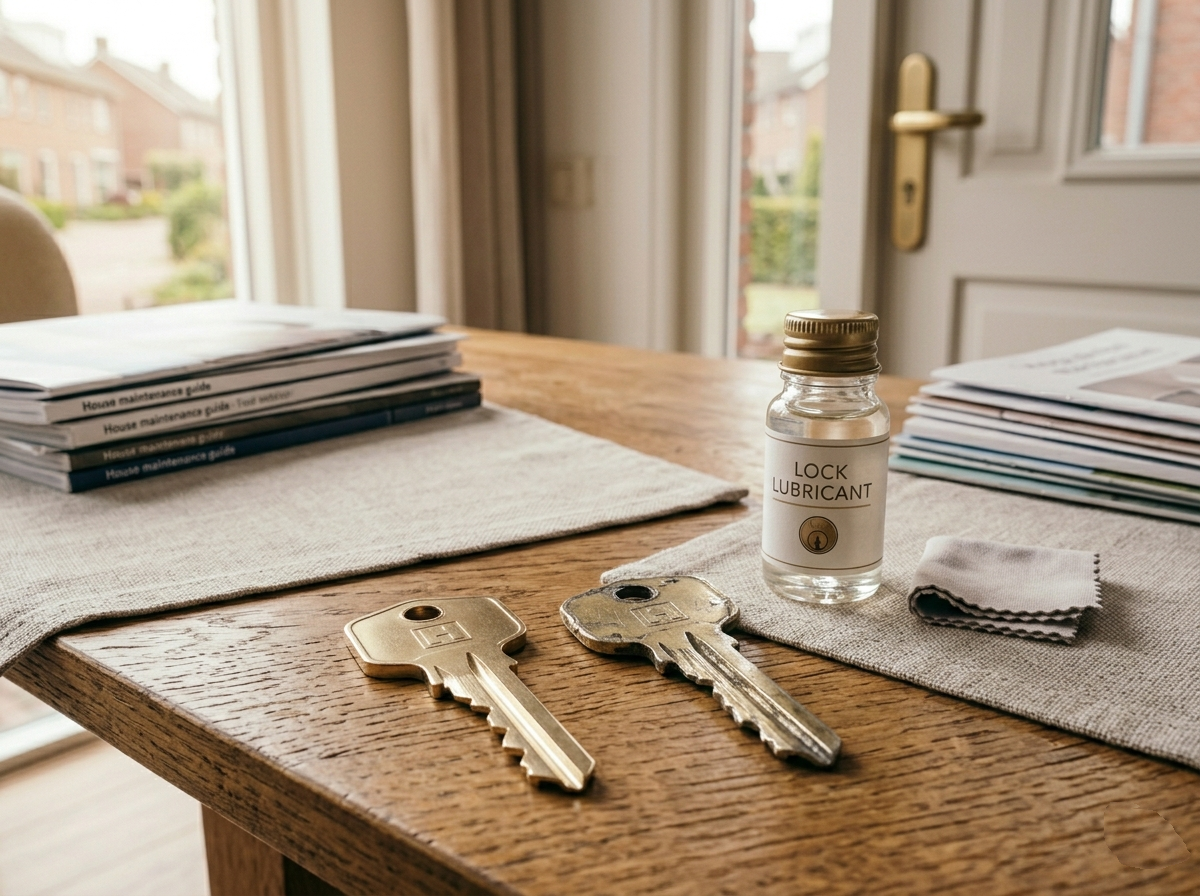
Once you’ve removed the broken piece, do not just shrug, grab the only spare from the junk drawer, and carry on as if the universe didn’t just warn you. Test the lock gently. If it still feels rough, sticky, or reluctant, clean and lightly lubricate it with a proper dry lock lubricant. Experts recommend light application, not overdoing it, with dry formulas designed to reduce buildup rather than create more of it. If the lock still binds after that, have it serviced. A key snapping is often a sign that something in the key, the lock, or both has been under strain for a while.
Then fix the part most people ignore: your backup plan. Standard key copies can often be made in just a few minutes, and hardware stores or locksmiths may be able to produce replacement keys depending on the type of lock. That means you do not need to keep living dangerously with one tired key that has already shown questionable judgment. Make a spare, retire any bent or rough-feeling key, and treat this whole episode as a cheap lesson rather than as a recurring hobby.