9 Simple, Science-Backed Ways to Reverse Your Biological Age

Photo 1 of 3

Aging isn’t just about counting birthdays anymore. Science suggests you may have more control over your body’s age than you think. Here’s how to slow, halt, or even reverse your biological clock with the following 9 evidence-backed strategies.

Build and Maintain Muscle

Exercise, particularly strength training, is a proven method to slow aging. Adults lose about 5% of muscle mass per decade after 30, but resistance exercises can reverse this trend. Even 90-year-olds can see significant gains from simple strength training programs. Start with bodyweight exercises like squats, lunges, and push-ups, and aim for at least 150 minutes of moderate activity weekly. Muscle plays a critical role beyond just strength, regulating blood sugar levels and supporting metabolic health. Investing in resistance bands or dumbbells can be a simple way to elevate your routine at home.

Eat Smart, Not Extreme

Skip the fads and focus on a balanced diet rich in vegetables, fruits, legumes, nuts, and whole grains. Reducing meat intake and avoiding overly restrictive practices like extreme calorie restriction can support longevity without compromising muscle health. Including foods rich in antioxidants and healthy fats, such as berries and avocados, can combat oxidative stress, a major contributor to aging. Also, consider adopting a Mediterranean-style diet, as it has consistently been linked to longer lifespans and reduced risk of chronic diseases.

Brush and Floss Regularly

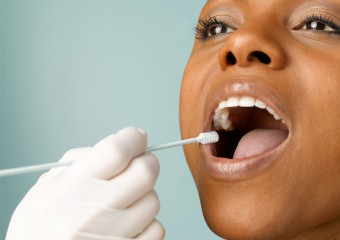
Good oral hygiene reduces chronic inflammation, a key driver of aging. Brushing and flossing may seem simple, but they protect against gum disease and systemic issues like heart disease and cognitive decline. Scientists attribute this connection to low-grade inflammation caused by poor oral health. Make a habit of brushing twice a day with fluoride toothpaste and visiting the dentist regularly for cleanings and checkups. Don’t underestimate the power of a clean mouth to support a healthier body


Chelsea Hotel — New York Bohemian Habitat

The New York Chelsea Hotel was built in 1844 and since then has become a magnet for famous writers, musicians, actors, artists, etc. This place has always been not simple, as if a special atmosphere reigned in it, which attracted the whole New York bohemia. What does this place look like now and what was so special about the legendary Chelsea Hotel? More on this later ...

Ingenious Everyday Inventions: 17 Ideas

Every day, people around the world face many inconveniences in using familiar things. Fortunately, at the same time, other people invent ingenious devices that simplify a human’s life. It is about such necessary, but very simple at first glance, things and ideas that will be discussed today ...

20 Photos From the Days of Prohibition

In the United States, Prohibition began to operate in 1920 and continued right up to 1933. For 13 years, people have tried in every possible way to circumvent the ban on the sale, production and transportation of alcohol, staged demonstrations, protests, and massively engaged in smuggling. In our time, it is still difficult to imagine the effect of this law in full force. However, what the consequences may be and how people lived during the prohibitions on alcohol can be seen in the next photo selection.

55-year-old Woman Has Bright Tattoos All Over Her Body! Photos

Today we are ready to throw tomatoes at everyone who says that after 50, life is already gradually coming to its logical conclusion and all that remains to be done by men and women at this age is to nurse their grandchildren and dig a vegetable garden. But no! And today's heroine, a grandmother from Germany, will easily prove it! It's never too late to live, and even more so to live brightly and richly, the way she does it ...

10 Most Intelligent Animals

It is generally accepted that man is the most developed mentally. However, do not underestimate the intelligence of some animals. This selection can show that animals could well become an obedient person for mental development ...