If you have ever heard that Japanese people “sit on the toilet facing forward,” you are not alone. It is one of those travel myths that sounds too strange not to be true. But the real answer is much simpler. The idea mostly comes from traditional Japanese-style squat toilets, not from the modern seated toilets that most people in Japan use today. Those older toilets are used while facing the raised front section, which can make it look, from the outside, as if people are using the toilet “the wrong way.”
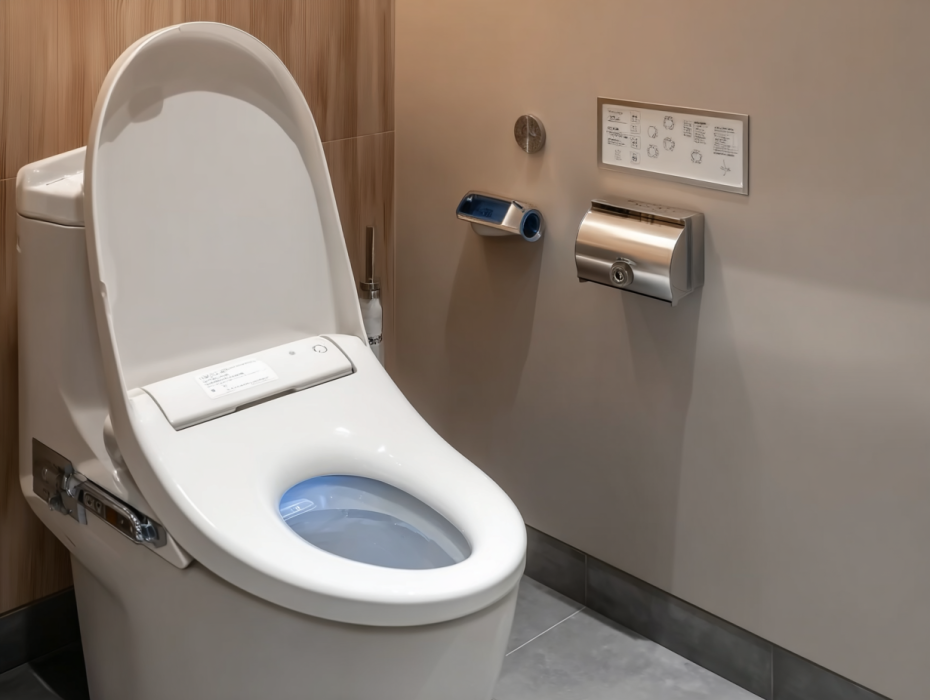
Japan is now far more famous for its Western-style toilets with bidet functions, heated seats, and elaborate controls than for squat toilets. Traditional squat toilets still exist in some older locations, such as older train stations and bars, but they are much less common than they once were. In other words, the image survives longer in travel stories than it does in everyday Japanese life.
So the better question is not, “Why do Japanese people sit facing forward?” It is, “Why were older Japanese toilets designed to be used that way?” Once you understand that, the mystery disappears. What looks unusual to outsiders is really just a practical way of using a toilet built for squatting rather than sitting. And once you place that old design next to Japan’s modern toilet culture, the story becomes even more interesting: it is about how a country moved from tradition to innovation without completely erasing the past.