4. Salmon skin is inedible
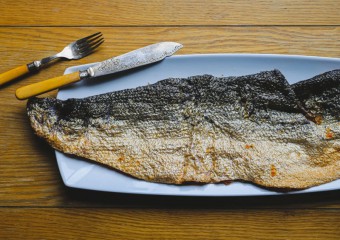
Salmon skin is filled with nutrients, and it’s 100% edible! You can even find delicacies around the world made with crispy fried salmon skin, such as sushi rolls. The skin contains lots of omega-3 fatty acids, and it also protects the salmon from getting overly dried out or burnt when it’s being cooked. Many people love cooking salmon skin side up, which keeps fish moist.
5. All salmon is the same
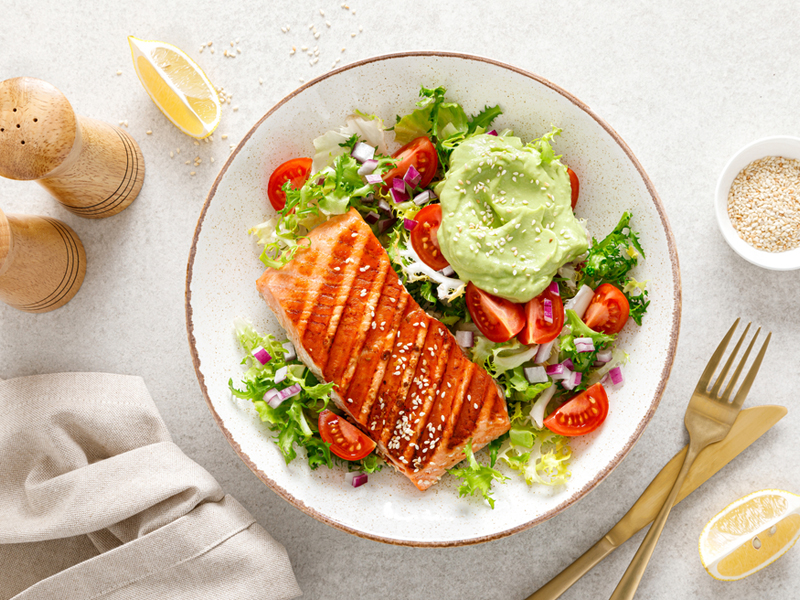
Don’t like salmon prepared one way? Then you probably haven’t had in its myriad of forms, including all the different ways it can be used in sushi or lox on a bagel with a myriad of toppings. If you have tried this fish and don’t love it, try it in some other form of preparation — each of them yields a completely different eating experience and flavor.
6. You need to scrape that white stuff off
Don’t freak out — the white stuff is totally normal. It’s called albumin, and no matter what kind of salmon you buy or order at a restaurant, it’s likely to show up. It’s just a white-colored protein, and it appears when muscle fibers of the salmon are heated and contract, pushing out the albumin. It’s naturally a part of the fish’s body and is safe for humans to consume, but cooking fish at a lower temperature can prevent this.
7. It’s an expensive fish
This is not an elite form of seafood! Sure, if you’re opting for some rare and wild salmon it might get pricey. But if you’re purchasing farm-raised salmon instead of sockeye or coho, it’s not too bad. Of course, with wild fish, the flavor is less diluted. Buying salmon in season can also help — you can freeze fresh filets for times when they’re more costly or unavailable. Canned salmon is also more affordable.