Arguments don’t just twist your heartstrings—they throw your entire body into survival mode. When tensions rise, your body treats it less like a “debate” and more like the prelude to battle.
Love is wonderful, but even in the healthiest relationships, storm clouds of conflict gather from time to time. Have you ever thought about how these emotional tempests actually affect your body? Our bodies respond to arguments like they’re not just verbal sparring matches but outright wars. Your heartbeat goes wild, your muscles tense like you’re bracing for impact, and your mind? Racing. Let’s delve into six unexpected ways your body reacts during an intense argument.
1. The “Fight or Flight” Countdown
When a conversation spirals into emotional upheaval, you might notice your heart starting to pound like it’s running a marathon. That’s because your body has flipped on its ancient “fight or flight” response. Originally designed to help us escape predators, this mechanism now kicks in at the first sign of emotional tension, priming your body as if it’s gearing up for survival. Your brain sees the argument as a threat, signaling your adrenal glands to release adrenaline. Suddenly, your heart is racing, your palms may start to sweat, and you’re prepared for some form of confrontation—even though no physical danger exists.
Why It Matters: A pounding heart is your body’s way of alerting you to potential “danger,” putting you in a state of hyperawareness. Even though this response can feel alarming, it’s a powerful signal that your emotions are peaking. Recognizing it can help you stay grounded and bring your focus back to the present moment.
2. Clammy Palms and Crimson Cheeks
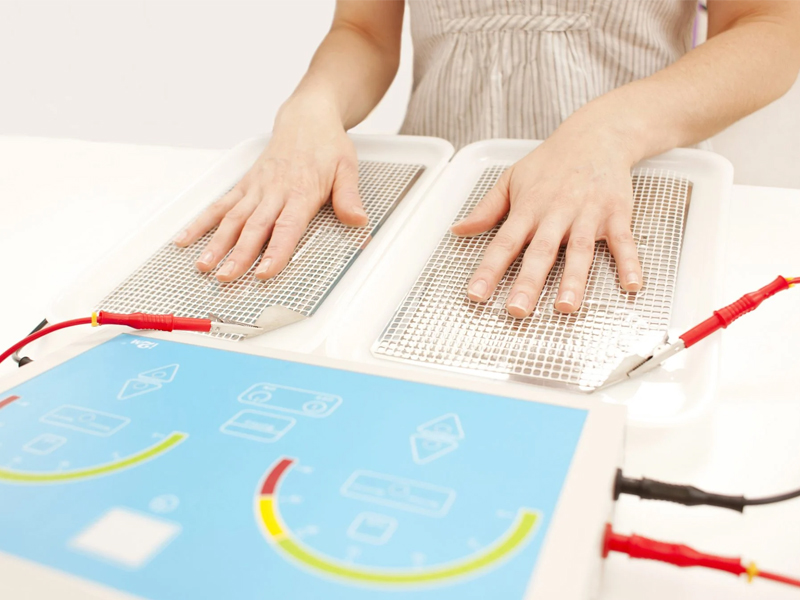
Have you ever felt your palms get clammy or noticed that flush of heat rising to your face during a fight? This is your nervous system working overtime to handle stress, prompting sweat glands to cool you down. This reflex treats emotional strain as if you’re facing an actual physical threat, sparking a chain reaction that can feel surprising or even embarrassing. Whether it’s damp palms or a sudden blush, your body’s natural response to conflict puts your emotions on full display—without your permission.
Fun Fact: Sweating is your body’s way of “chilling out” during high-stress moments, even if all you’re doing is talking things out. As uncomfortable as it might feel, it’s simply your body’s way of managing your internal thermostat. Sometimes, acknowledging this reaction can help you feel a bit more in control.