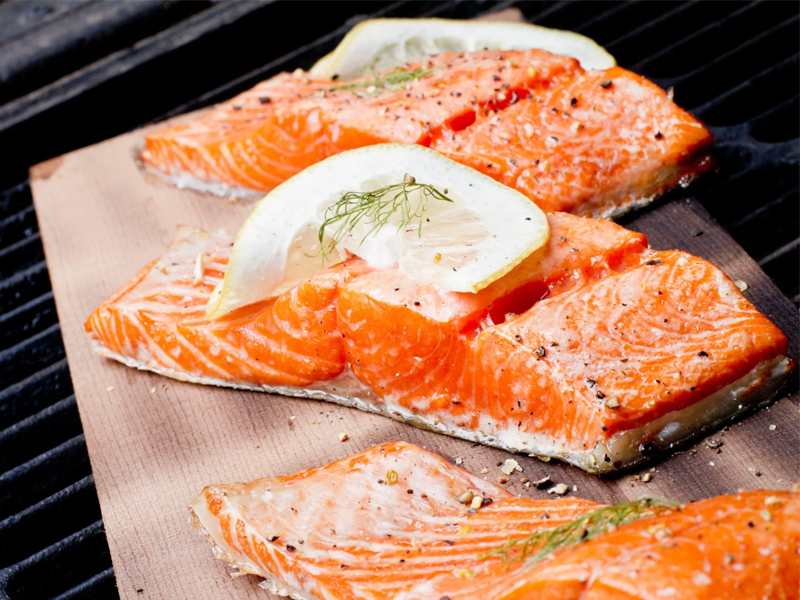
Risks and Best Selection of Salmon Skin
Salmon skin varies in quality. The source and quality of the fish play a critical role in determining whether its skin is safe to eat. People generally prefer wild-caught salmon from clean waters over farmed salmon, which could potentially expose them to pollutants like polychlorinated biphenyls (PCBs) and methylmercury.
These contaminants can accumulate in the fish’s skin and fatty tissues, posing potential health risks. For those who are pregnant, nursing, or particularly sensitive to environmental toxins, it may be wise to avoid salmon skin altogether.
Studies have raised concerns about farmed salmon. Research published in PLoS One linked diets high in farmed salmon to metabolic disorders such as type 2 diabetes and obesity in test subjects due to exposure to persistent organic pollutants (POPs). To minimize these risks, experts recommend choosing fresh, wild-caught salmon from trusted sources whenever possible and avoiding fish from polluted waters.
While salmon skin is a nutrient-dense option for most people, it’s not without potential drawbacks. Eating salmon skin can add extra calories and fat to your meal, which may be a consideration for those watching their intake. Additionally, consuming large amounts of omega-3 fatty acids can interfere with certain medications, such as blood thinners. Consulting a doctor before making significant dietary changes is always a good idea, particularly for individuals with health conditions.
Benefits of Salmon Skin
Despite these considerations, the benefits of salmon skin for most people are hard to ignore. Omega-3 fatty acids found in the skin can help lower blood pressure, reduce inflammation, and protect against heart disease.
Emerging research also highlights their role in preventing age-related macular degeneration, supporting brain health, and even fighting cancer. Salmon skin possesses strong antioxidant properties, potentially aiding in the treatment of type 2 diabetes and wound healing.