7 Most Dangerous Jellyfish in the Underwater World

Photo 2 of 8

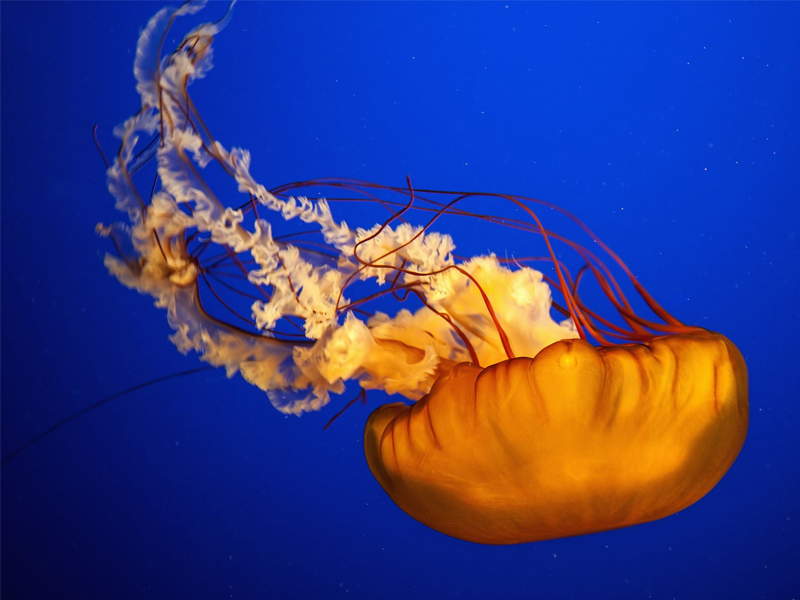
Sea nettle (Chrysaora)

Jellyfish, which can be recognized by their characteristic golden brown umbrella, which can reach 30 cm in diameter, and its 24 tentacles can stretch up to 2 m in length. After touching the sea nettle, a characteristic rash lasts about an hour on the human body, not to mention that the «bite» itself is quite painful. One thing pleases us — a meeting with this jellyfish does not threaten human life in any way, but caution will not be superfluous.

6 Forbidden Types of the Most DANGEROUS Weapons

Throughout history, mankind has never stopped trying to create various types of weapons for various purposes. At the same time, while mankind created them, certain prohibitions on its use came out. For example, the popes banned the crossbow, and Homer spoke disapprovingly of the bow. In the 21st century, the scale of invented weapons reached a completely different level of danger, which can be called deadly. Which of the existing military guns managed to be banned and why are these inventions so dangerous?

9 Mysteries of the Past That Still Remain Unresolved

The world is an amazing thing, filled with many secrets. To this day, researchers and great minds from all over the world are trying to solve the puzzles that our Universe periodically throws up to us. Some of them can be solved, althought not in the shortest possible time, but some remain unresolved for thousands of years and to this day confuse scientists. It is about such secrets and mysteries of the past that this collection will be discussed ...

The Most Famous Animal Attacks on Humans

No matter how kind and affectionate the tamed animal is, it still remains an animal. Therefore, any factor can become a provocation for him to attack, because, first of all, the main difference between an animal and a person is its animal instinct ....

Man, Stop it! Animals That Halved in 40 Years

More recently, the World Wildlife Fund has published statistics stating that wildlife has declined by 52% since 1970. Your attention is invited to a selection of animals that have experienced the influence of man on nature.