Titanic Then And Now: 30 Photos

Photo 1 of 30

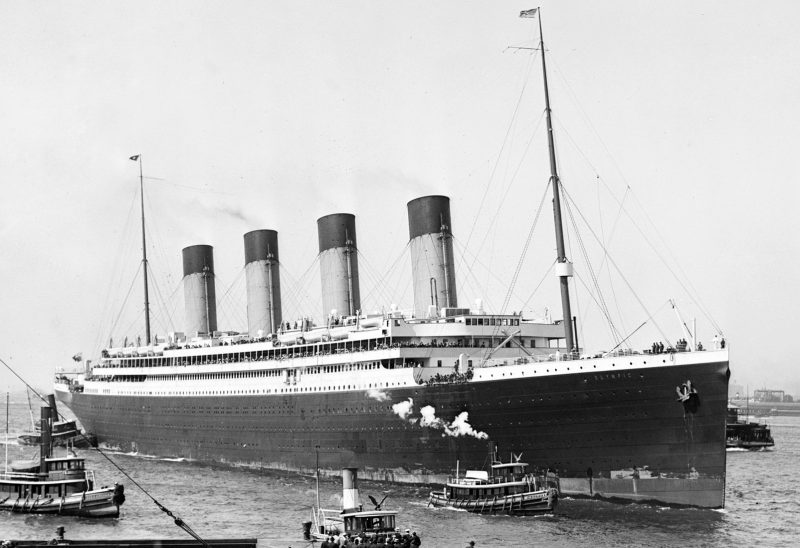
On April 15, 1912, after a collision with an iceberg in the Atlantic Ocean, the Titanic ship sank, carrying more than 2,200 people on board. Experts and specialists spent a lot of time studying the coordinates transmitted on the day of the tragedy, being in constant search of the wreckage. The situation was complicated by the fact that the ship was at a depth of about 4 km and for the search was necessary special equipment.


Fancy Dog Breeds

Among the many well-known dog breeds are those that strike with their exotic appearance. In this collection we will consider the most unusual and rare dog breeds in the whole world!

The Most Popular Amphibious Cars

These cars break all ideas about the latest technology and are able to travel not only by land but by water. Which of these amphibious cars will seem most unusual to you?

The Most Bizarre Fruits and Vegetables Found in the Vegetable Garden

Did you know that nature also has a sense of humor? Yes, so sharp and unique that sometimes you are amazed by her jokes and antics. Take at least even her gifts, namely fruits and vegetables, which will be discussed today - after watching this selection, you will have no doubt that the fantasy of nature is limitless and wonderful and worth your surprise!

How Different Animals See the World

Everyone probably has long known that animals see this world differently from humans. Some may even know what exactly is changing in the visual perception of a snake, cow or turtle. But sometimes knowing in words is sometimes not enough, so we offer you to see everything with your own eyes!

Sleeping Beauty: a Girl With an Unusual Syndrome Sleeps for 2 Weeks in a row!

A girl from Southern California, who suffers from a rare disorder, felt on herself what it means to be a princess from a fairy tale about a sleeping beauty with one difference: no matter how beautiful the prince, he will not be able to "spell" a girl ... How an American lives with a rare disease and what does it have to face in the course of life? This will be discussed further ...