Eggs are basically a superfood. And no, they’re not just a breakfast staple. You can have eggs any time of day. They’re easy to cook and somehow manage to work in everything from breakfast burritos to fancy soufflés. But as much as eggs really are a “perfect protein,” the way you prepare them can make a huge difference. Some cooking methods help eggs live up to their nutritional hype, while others smother all that goodness in saturated fat and salt.
So if you’re trying to eat a little healthier (without giving up eggs—because no one’s asking you to do that), here’s what you might want to know.
Healthy: Boiled Eggs
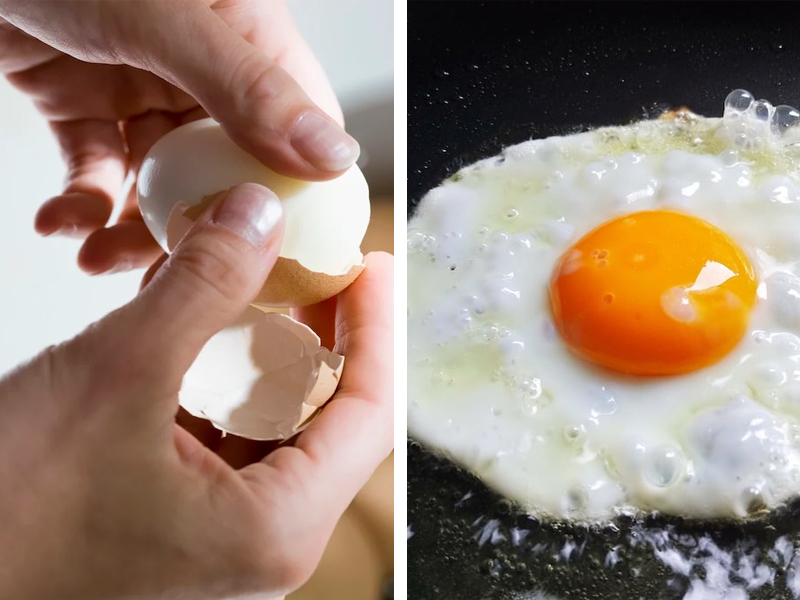
It’s hard to go wrong here. Boiled eggs are probably the healthiest and least fussy way to eat them. No oils, no butter, no nonsense. Just a solid 6 grams of protein, some good fats, and a whole bunch of B vitamins. Hard-boiled eggs make a great healthy snack. Plus, you don’t have to eat them as is if that’s not your cup of tea. You can add hard-boiled eggs to sandwiches and salads, or enjoy them as a side dish. They’re easy and versatile, just a quick and easy way to add some protein and nutrients to any meal.
And please, for the love of everything that is good in this world, don’t skip the yolk unless you have a medical reason. The white is mostly just protein. The yolk is where most of the vitamins and minerals live, and it’s good for you. Forget that thing you heard about cholesterol. Egg yolks are a source of good cholesterol, so unless you’re eating a dozen a day with a side of something deep-fried, it doesn’t apply to you.
Unhealthy: Fried Eggs
It’s hard to deny that fried eggs are delicious. And that crispy edge—yum. But the second you drop that egg into sizzling butter, you’re loading it up with extra saturated fat. Especially if it’s a generous blob of butter (and let’s be honest, it usually is).
It’s not that you can never have fried eggs—just try using a nonstick pan and go easy on the oil. Avocado or olive oil is a smarter pick if you’re watching your heart health.