What are the different methods for carrying out V-line jaw surgery?
There are several ways to complete this process.
- T-shaped Osteotomy: The surgeon cuts horizontally and then vertically, making a “T” shape to narrow the chin.
- Inverted “V” Shape Osteotomy: The most advanced method used by the wealthy, this method can help reduce the height and width of the chin. This is done through an inverted cut and nothing else.
- Horizontal Osteotomy: A conventional method to reduce the chin, the chin is cut horizontally. A common procedure for those with long chins.
- L-Shape Shift: Ideal for protruding skin, this method involves cutting the chin bone horizontally, while excess bones are trimmed and fixed below the skin.
Risks and benefits of getting V-line surgery
The benefits of getting this done include reduction of the jaw’s width and length, shaping of a short/square chin to add definition, contouring of the mandible and correction of a prominent or asymmetrical chin.
However, like any other surgery, this one has risks. This can include nerve injury, jaw fracture, infection, loss of blood, jaw pain and relapse into the initial, pre-surgery position. Some people also experience difficulty eating and have issues with bite fit. If there are problems, further surgical intervention may be required.
What procedures work well with V-line jaw surgery?
Although it’s a surprise to some, this surgery is often recommended in conjunction with other procedures. Some of these include eyelid surgery and nasal surgery, which are often completed together.
What type of results are expected after getting the V-line procedure?
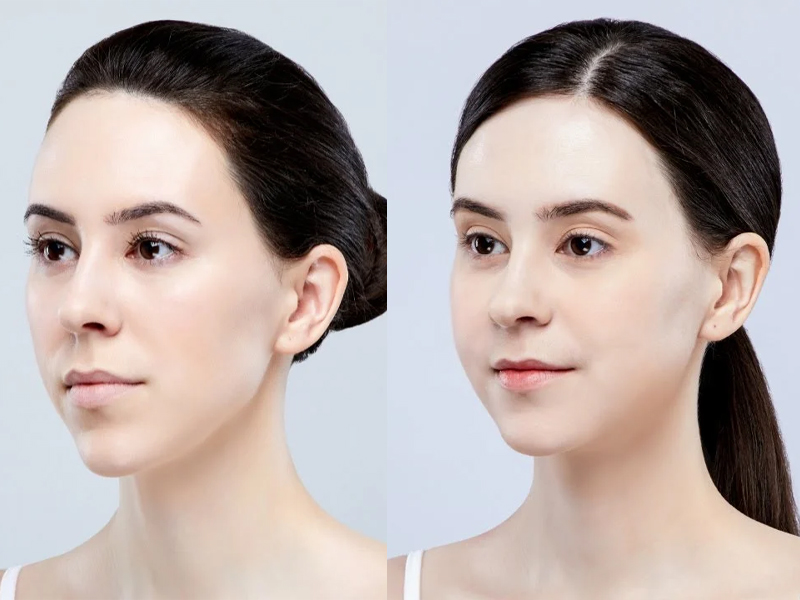
Your jaw profile may get sharper and more contoured. Your jaw will have a reduced width/length and you may also experience a more defined and slender look as well.