3. Detect Genetic Disorders and Health Risks
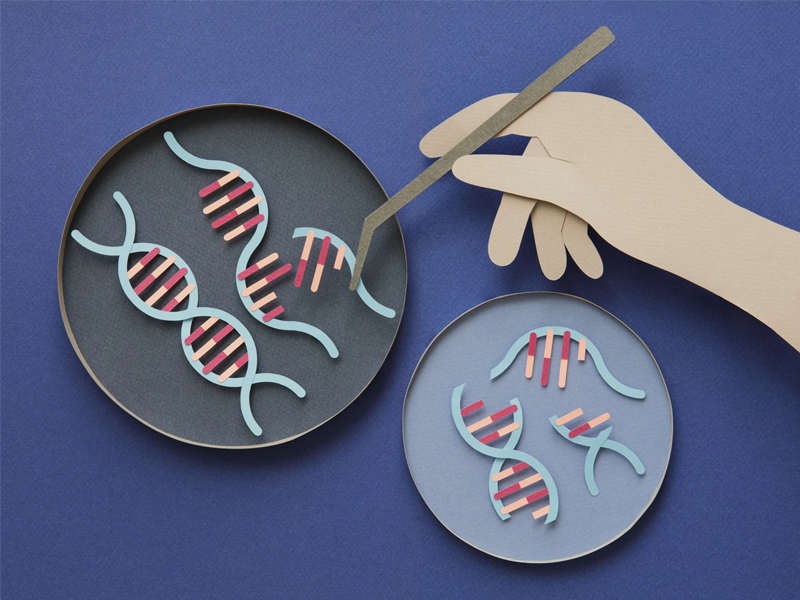
One of the most significant advantages of DNA testing is its ability to uncover potential genetic disorders and health risks. While some people may already know they carry certain genetic conditions, many remain unaware until they take a DNA test. These tests can identify whether you’re a carrier of conditions like cystic fibrosis or Tay-Sachs disease, which could be passed on to future generations.
Additionally, DNA testing can reveal your predisposition to certain illnesses, such as diabetes, heart disease, or specific cancers. Armed with this knowledge, you can take proactive steps to reduce your risk. For example, if your results indicate a higher likelihood of developing cancer, you might choose to adopt healthier lifestyle habits, undergo regular screenings, or discuss preventative measures with your doctor.
4. Personalize Your Diet for Optimal Health
No two bodies are the same, and DNA testing can reveal exactly what your body needs to function at its best. By analyzing your genetic makeup, these tests can provide insights into how your body processes nutrients, tolerates carbohydrates, and metabolizes fats. This information allows you to tailor your diet to meet your unique nutritional requirements.
For example, if your DNA test reveals that you have a sensitivity to gluten or lactose, you can adjust your diet accordingly to avoid digestive issues. Similarly, understanding how your body responds to certain vitamins can help you incorporate the right supplements into your routine. Personalizing your diet not only improves your overall health but can also boost energy levels and help you achieve long-term wellness goals.
5. Customize Your Fitness Plan to Avoid Injury
Just as DNA testing can guide your diet, it can also revolutionize your fitness routine. By analyzing genetic markers, a DNA test can determine which types of exercise are best suited to your body. Whether your body responds better to high-intensity interval training (HIIT) or endurance workouts, this knowledge can help you create a fitness plan that delivers maximum results.
Additionally, DNA testing can identify areas of the body that may be prone to injury. For instance, if you’re genetically predisposed to knee or shoulder issues, you can adjust your workout to avoid overexerting those areas. Many professional athletes use DNA testing to optimize their training schedules, and there’s no reason you can’t do the same. By tailoring your workouts to your body’s needs, you’ll not only improve your performance but also reduce the risk of injury.