7 Most Dangerous Jellyfish in the Underwater World

Photo 5 of 8

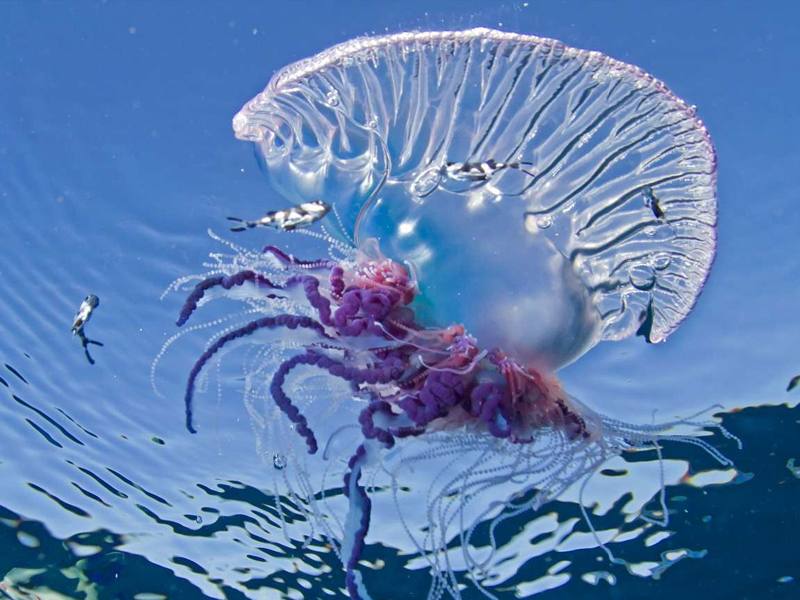
Portuguese boat (Physalia physalis)

The second name for jellyfish is physalia. Although this is rather not even a jellyfish, but a whole colony of polypoid and medusoid individuals. The «bite» of a Portuguese boat is extremely dangerous and painful (sensations are compared to hitting the skin with a whip). The main risk is the systemic effects of the poison. In severe cases, intense pain is followed by fever, shock, and impaired heart and lung function, which can lead to death. Physalias are accustomed to moving in groups of up to 100 colonies, and sometimes in resorts they have to close entire beaches because of them!
6 Forbidden Types of the Most DANGEROUS Weapons

Throughout history, mankind has never stopped trying to create various types of weapons for various purposes. At the same time, while mankind created them, certain prohibitions on its use came out. For example, the popes banned the crossbow, and Homer spoke disapprovingly of the bow. In the 21st century, the scale of invented weapons reached a completely different level of danger, which can be called deadly. Which of the existing military guns managed to be banned and why are these inventions so dangerous?

TOP 10 Attack Helicopters of the World And the Present

For half a century, attack helicopters have made a significant contribution to the total strength of the military forces of various countries. Impact helicopters are capable of hitting ground, sea and even air targets. Such helicopters carry a deadly threat to any tank or other armored unit of military equipment. Most countries have long equipped their military forces with similar “machines” and some of them even entered the ranking of world leaders ...

11 Disaster Films Based on Real Events

Often, exciting stories from catastrophe films turn out to be real events based on the fates of real people and the stories of real incidents. Such films will be discussed in this collection, which contains the best pictures based on completely existing disasters of anthropogenic or natural character.