9 Mysteries of the Past That Still Remain Unresolved

Photo 10 of 10

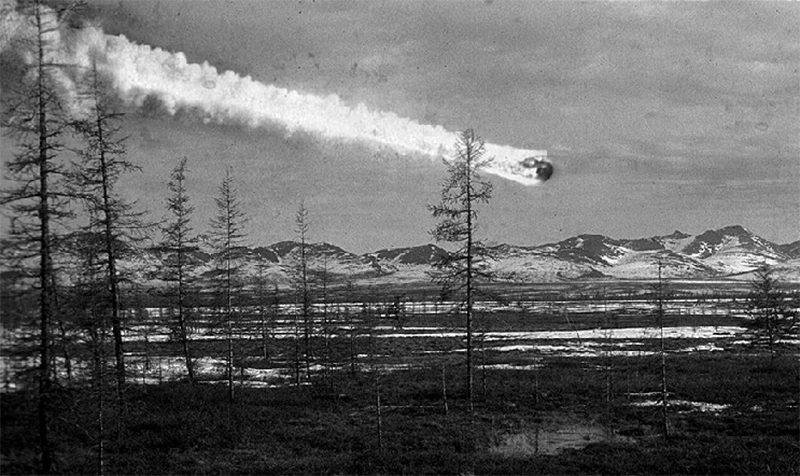
Tunguska meteorite

June 30, 1908 in the Krasnoyarsk Territory, Russia, an explosion occurred. The blast wave destroyed a large section of the forest, and the blow was felt even 60 km from the epicenter. The anomaly is that neither a crater, nor the remnants of a meteorite at the site of the explosion were found. The Tunguska meteorite is shrouded in many theories, one of which says that the explosion was organized by Nikola Tesla. So he destroyed a certain celestial body with his technology. Or it was just a pullback from his some kind of experiment.

Is Sugar as Bad as We Think?

In this collection we will try to answer a very controversial and ubiquitous scandalous question: is sugar really harmful, as people think about it? Is it true that sugar consumption can cause diseases such as diabetes and cancer? Does sugar contribute to weight gain and obesity? We will try to answer these and many other questions about the sweet product right now ...

Life in the Cemetery: 13 photos

Manila is the capital of the Philippines and the most densely populated city on the island of Luzon. This city makes the most unpleasant first impression and the more you delve into its history and atmosphere, the more terrible it becomes. One of the most frightening places in Manila is the city cemetery, in the territory of which hundreds of living people settled. It is about this place that will be discussed in this collection ...

20 Little-known Facts About World War II

World War II began on September 1, 1939 with the Nazi German attack on Poland. Subsequently, 61 states took part in this war (this is 80% of the entire globe). The great war claimed the lives of more than 70 million people and became one of the most devastating conflicts in the history of mankind. We prepared the 20 most interesting and little-known facts about the World War II for today's selection.

Animals That are Almost Impossible to Find in the Wild

The main problem of the extinction of these rare animals is the overpopulation of their habitats, global catastrophes and weather disasters. So far, people have not wiped out unique species of fauna from the face of the earth, let's look at those who can hardly be found in the wild ...